
How NFL Coaches Build Winning Cultures
Most leaders can recite the mantra: culture eats strategy for breakfast. Few, however, build a winning culture that actually proves it. Research from Korn Ferry confirms that the world’s most admired companies treat culture as a strategic asset, not an afterthought — shaping it deliberately rather than letting it form by default. For a masterclass in culture-building, look no further than the NFL sidelines. Drawing practical leadership lessons from sports translates directly to the workplace.
Professional football coaches operate under conditions that would make most CEOs sweat: massive egos, relentless public scrutiny, short tenures, and a workforce where the average career spans three years. The best of them don’t just win games. They build organizations where people do their best work, trust one another, and sustain excellence over years — exactly the foundation of a winning culture that every business leader wants. Cultivating an intentional workplace culture requires moving away from purely transactional administration toward championship-level cultural leadership.
Three coaches in particular offer lessons that translate directly from the locker room to the boardroom: Bill Belichick, Dan Campbell, and Andy Reid. Their approaches differ dramatically, but each has constructed a winning culture that turns talent into performance and individuals into teams.
Bill Belichick and the Power of Radical Simplicity
Make Standards Simple Enough to Repeat
Walk into the New England Patriots facility during the Belichick years and you’d see four principles posted at the entrance: Do your job. Work hard. Be attentive. Put the team first. Not exactly revolutionary stuff on the surface. But Belichick’s genius lay in treating these not as motivational slogans but as non-negotiable operating instructions that applied identically to the six-time Super Bowl-winning quarterback and the lowest-ranked staff assistant.
Belichick built what Harvard Business School professor Michael Roberto calls a “true meritocracy” — the same core dynamic that guides building high-performing teams. If you delivered, you played. If you didn’t, you didn’t — regardless of draft pedigree, contract size, or media profile. Belichick described a concept he called “eye wash”: performative work where people go through the motions without accomplishing anything meaningful. His culture ruthlessly eliminated it.
The business parallel is stark. How many organizations hang values on the wall that bear no resemblance to how decisions actually get made? How many tolerate the equivalent of eye wash — busyness without productivity, meetings without outcomes, activity mistaken for progress? Belichick’s approach suggests that the most powerful cultures aren’t complex. They’re just consistent. When everyone knows the standards and sees them applied equally, trust compounds. When they don’t, cynicism does. The Center for Creative Leadership — ranked among the world’s top leadership development organizations — reinforces this in its team effectiveness work: high-performing teams require clarity of purpose and role before any other element can take hold.
Dan Campbell and the Authenticity Advantage
Lead With Authenticity People Can Trust
In January 2021, Dan Campbell gave an introductory press conference that became a punchline. He talked about biting kneecaps, about a team that would “take on the identity of this city,” about getting back up after getting knocked down. Pundits mocked him. Three years later, the Lions had gone from 3-13-1 to 27-7 over two seasons and a legitimate Super Bowl contender. The kneecap-biting coach didn’t look so funny anymore.
Campbell’s leadership runs on a fuel that’s surprisingly rare in executive suites: unguarded authenticity. He doesn’t perform leadership. He shows up as himself — passionate, sometimes emotional, unpolished in the best sense — and that consistency makes him trustworthy. His players don’t wonder which version of the coach they’ll get today. They know. And they respond by running through walls for him.
Campbell’s culture is built on three pillars the Lions organization explicitly names: grit, conviction, and collaboration. Those pillars echo the leadership traits measured by Strategy People Culture’s C.A.R.E. Model — conviction, adaptability, realness, and enthusiasm — which assesses whether leaders possess the strength to make tough decisions and the authenticity to earn trust. This balance of conviction and reflection in leadership ensures high standards remain grounded in purpose. Grit means resilience over the long haul, not just effort in the moment. Conviction means making decisions with clarity and standing behind them. Collaboration means coaches and players building the game plan together, not commands cascading down a hierarchy.
For business leaders, Campbell offers a counterintuitive lesson: you don’t need to be polished to be effective. You need to be real. Employees, like football players, possess finely tuned instincts. They know when a leader is reciting talking points versus speaking from conviction. Gallup’s workplace trust research found that employees who receive feedback from their manager daily are 2.1 times as likely to strongly agree that they trust organizational leadership. Campbell’s turnaround suggests that authenticity isn’t merely a nice-to-have leadership trait. It’s a competitive advantage that attracts talent, inspires effort, and reinforces psychological safety in employee performance through inevitable setbacks that break less genuine cultures.
Andy Reid and the Culture of Second Chances
Balance Accountability With Second Chances
Andy Reid arrived in Kansas City in 2013 to a franchise coming off a 2-14 season. He engineered the best single-season turnaround in team history, going 11-5. But that was just the beginning. Over the next decade-plus, Reid built the NFL’s most consistent winner: three Super Bowl titles, a culture that survived roster turnover and coordinator poaching, and an organization that players consistently describe with words like “family” and “trust.”
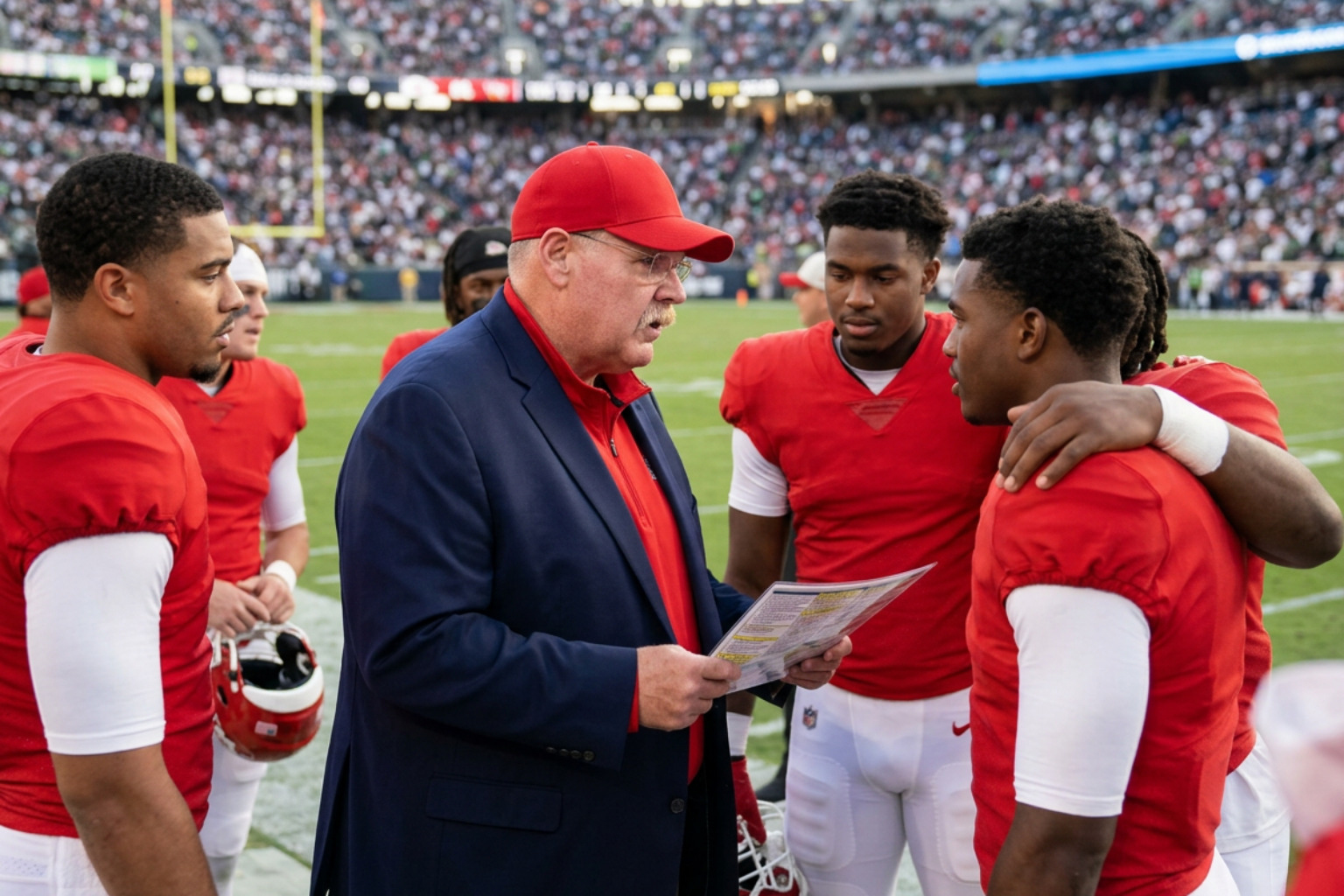
Reid’s cultural signature is something Belichick would likely never endorse: a genuine openness to second chances. He has a well-documented history of taking on players other teams had written off — sometimes for off-field issues, sometimes for performance — and giving them a clean slate. “Don’t judge” is his operative motto. He studies the person and the heart, not just the rap sheet or the stat line.
This isn’t soft leadership. Reid holds players accountable. But he separates the act from the person in a way that makes accountability feel like support rather than punishment. Gallup’s trust research also reinforces why this matters: frequent, meaningful manager feedback is tied to stronger trust in leadership. Reid counters disengagement by pairing stretch goals with authentic recognition. Applying targeted employee motivation strategies ensures recognition reinforces behaviors that drive organizational objectives, as detailed in field guides on championship culture. His players speak about him with reverence and consistently perform above expectations.
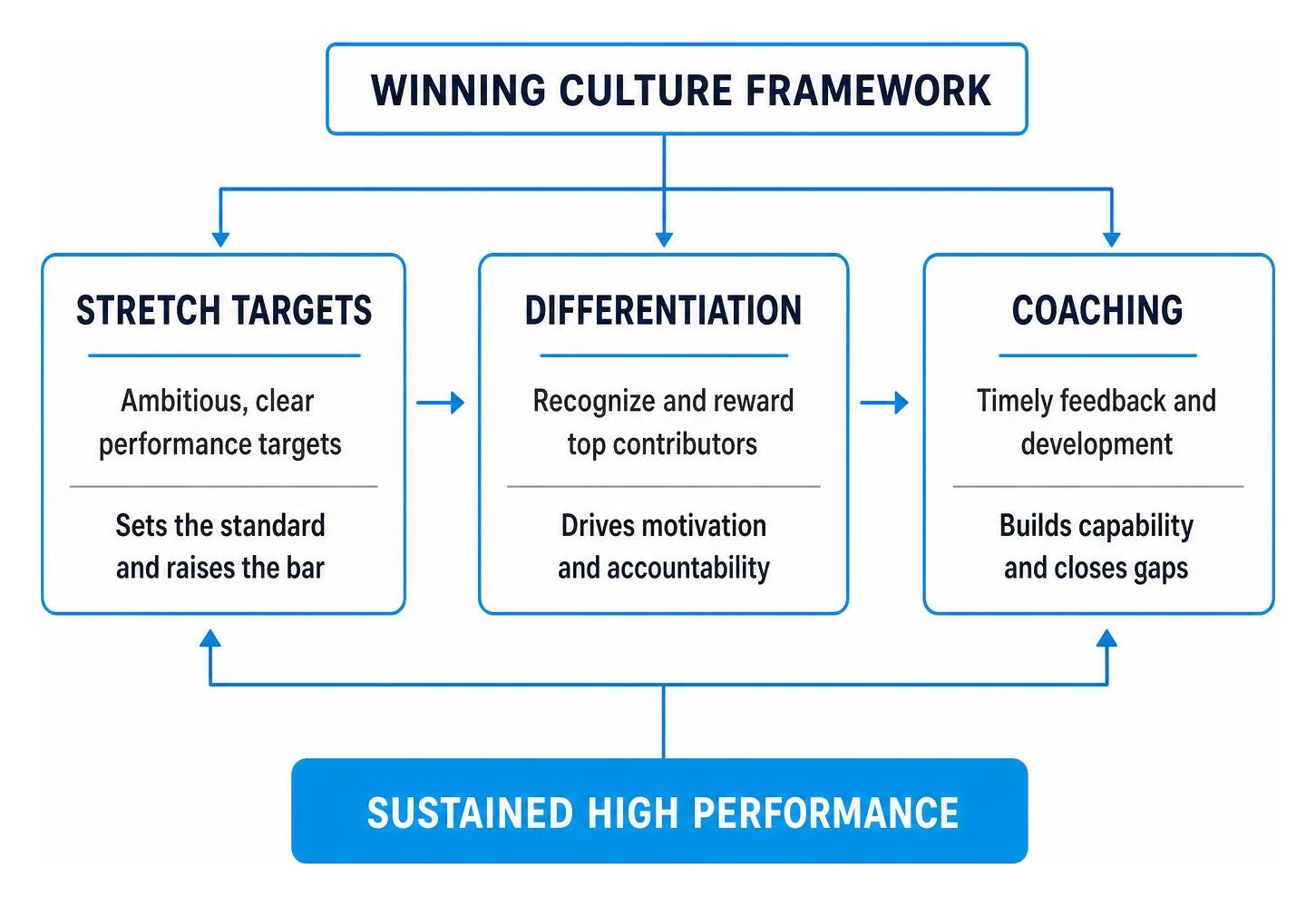
The business lesson here cuts against conventional wisdom about high-performance cultures that chew people up. Reid demonstrates that you can demand excellence without being cruel, that psychological safety and high standards coexist — a finding Dale Carnegie’s research reinforces: trust-centric workplaces produce higher engagement, greater innovation, and more resilient teams — and that loyalty shown to people during their difficult moments gets repaid with loyalty during the organization’s difficult moments.
What These Three Coaches Teach Us
Turn Winning Culture Into Daily Leadership Habits
Belichick, Campbell, and Reid couldn’t be more different in personality. One is a gruff tactician who views football as a problem to solve. One is an emotional leader who views football as a battle to fight. One is a patient teacher who views football as a craft to master. Yet their culture-building shares common threads that any business leader can apply.
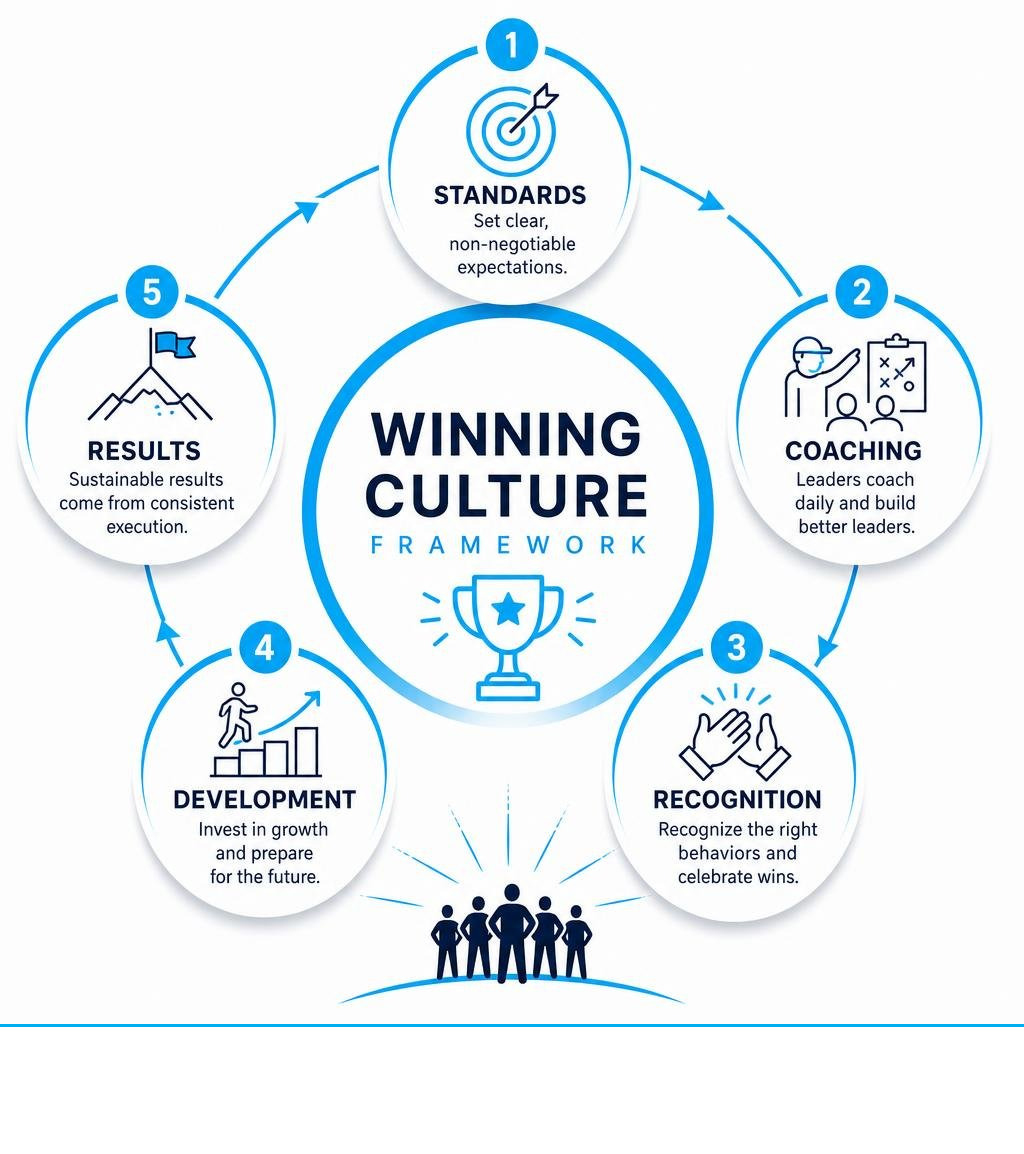
First, clarity precedes accountability. Belichick’s four principles, Campbell’s three pillars, Reid’s implicit code of trust — each coach ensures people know exactly what’s expected before they’re held to it. Too many organizations skip this step and wonder why accountability feels arbitrary.
Second, consistency is the mechanism that turns values into culture. All three coaches apply their standards evenly, regardless of status or circumstance. When employees see that rules bend for some people, culture fractures. When they see that rules hold for everyone, culture hardens.
Third, culture isn’t a poster. It’s a daily practice. Belichick reviewed the same four principles whether preparing for the Super Bowl or running March workouts. Campbell brings the same energy to OTAs that he brings to playoff games. Reid’s “don’t judge” philosophy applies equally to the franchise quarterback and the undrafted rookie. A winning culture lives in repetition, not announcement.
Scaling Culture Through Coaching and Pipelines
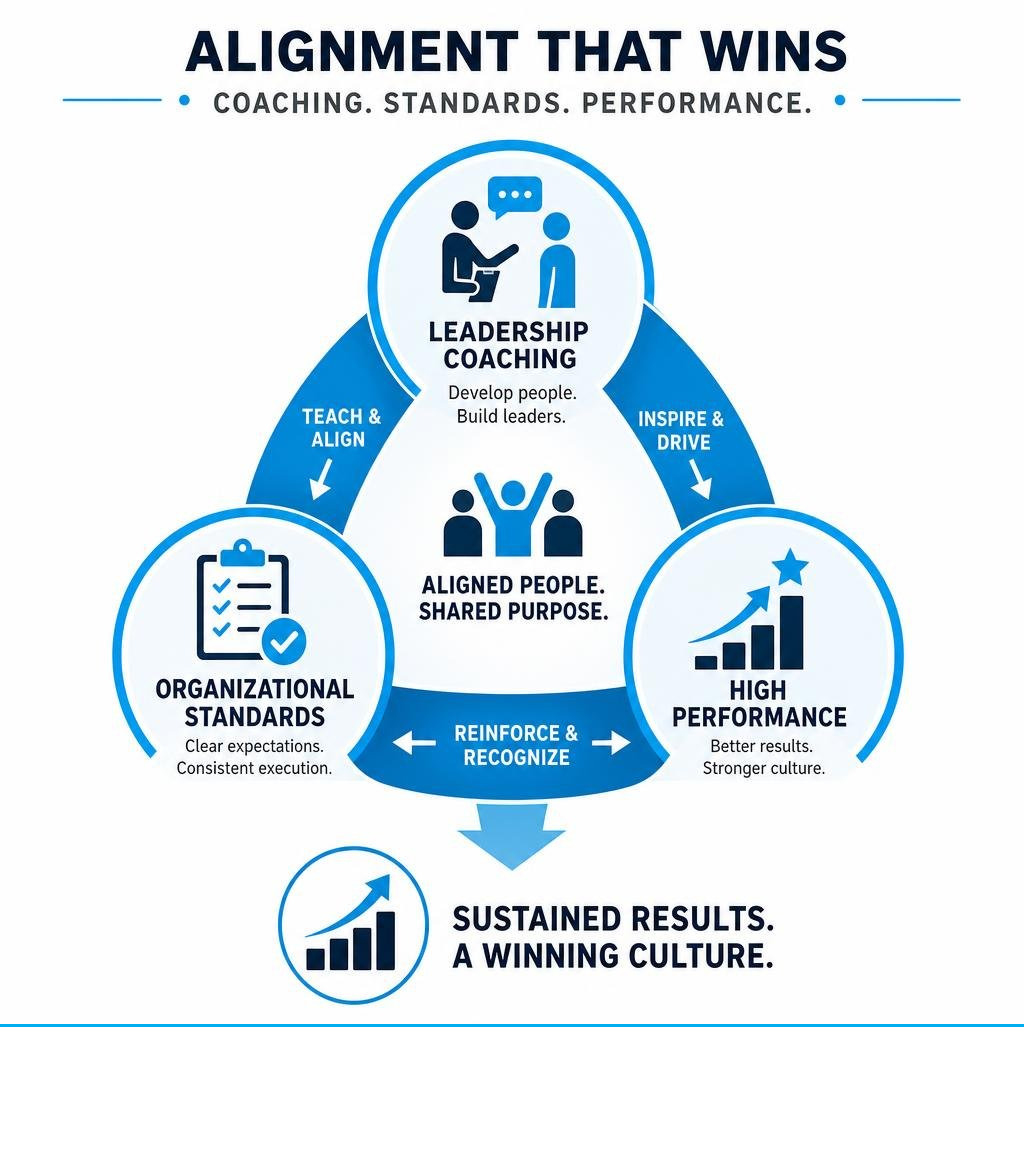
Sustaining high performance across an enterprise also depends on structured talent architecture. Avoidable turnover occurs when talent stagnates and people cannot see a path forward. LinkedIn Learning’s Workplace Learning Report found that career-development champions build stronger internal mobility and leadership-development systems, helping employees grow into the roles organizations need next. Proactive organizations counter stagnation through disciplined succession planning and robust leadership pipelines.
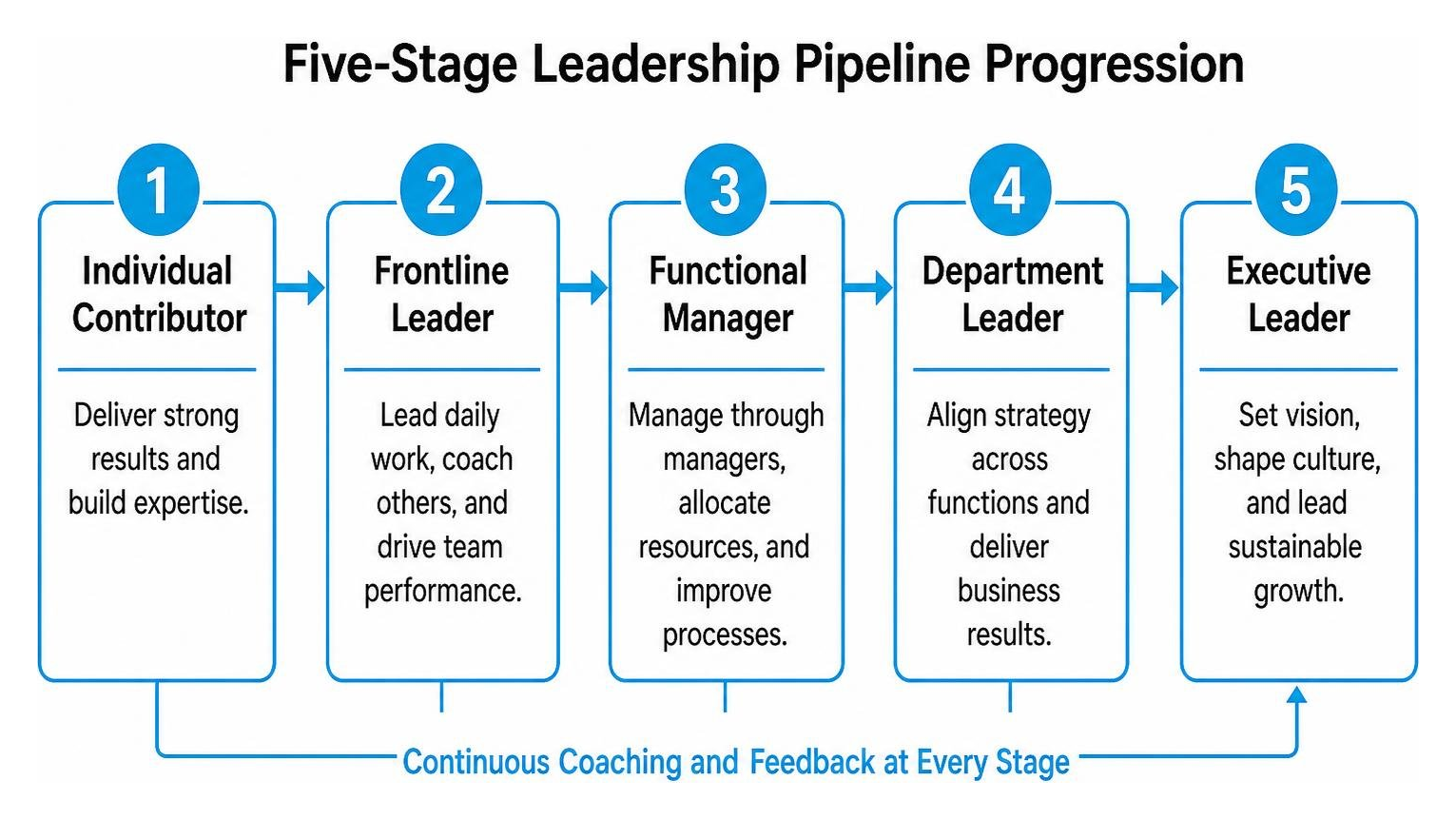
Implementing structured executive succession planning processes and comprehensive leadership and management development programs guarantees your bench is prepared before vacancies emerge. Crucially, sustainable cultures require empowering frontline managers to coach their own teams daily. Equipping managers with practical coaching and mentoring skills transforms supervisors from passive administrators into active talent developers.
The best NFL coaches understand that you can’t scheme your way around a broken culture. Strategy matters, talent matters, execution matters — but culture determines whether those things compound or collapse. Building a winning culture requires disciplined leadership pipelines, dedicated executive leadership coaching, and understanding why leaders benefit from executive coaches to eliminate blind spots. Belichick, Campbell, and Reid each built winning organizations their own way. The common denominator wasn’t play-calling — it was an environment where people wanted to do their best work and trusted that doing so would be recognized.
Strategy People Culture, LLC helps leaders turn those same principles into practical systems for healthier, higher-performing workplaces. Founded by Andrew Botwin, an HR consultant and executive coach with more than 30 years of experience, the firm supports organizations through executive coaching, leadership training, succession planning, workplace culture consulting, and workplace investigations. Botwin’s work connects people strategy with business results, helping leaders build the awareness, accountability, and coaching habits needed to create a winning culture that lasts.
