Leadership Weaknesses: 5 Hidden Habits That Undermine Teams

The Hidden Impact of leadership weaknesses on Team Dynamics
Leadership weaknesses are patterns of behavior or blind spots that reduce a leader’s ability to guide, inspire, and support their team — and they affect every level of an organization.
Here are the most common leadership weaknesses to know:
| Leadership Weakness | Core Problem |
|---|---|
| Poor communication | Creates confusion, silos, and frustration |
| Micromanagement | Erodes trust and stifles creativity |
| Lack of emotional intelligence | Leads to conflict and disengagement |
| Inability to delegate | Causes burnout and blocks team growth |
| Avoiding accountability | Destroys credibility and team morale |
| Unclear expectations | Results in errors, delays, and frustration |
| Fear of failure | Drives indecisiveness and stagnation |
Every leader has weaknesses. The difference between good and great leaders is whether they recognize and address them.
The problem? Most leaders don’t. Confidence and past success can make it easy to overlook the habits quietly limiting your impact. And when those habits go unchecked, the ripple effects spread fast — through team morale, productivity, and employee retention.
As Horace put it: “A strong leader accepts blame and gives credit. A weak leader gives blame and accepts the credit.”
That gap between awareness and action is exactly what this article is about.
I’m Andrew Botwin Esq, AWI-CH, SPHR, SHRM-SCP, PCC, founder of Strategy People Culture, LLC, where I’ve spent years coaching executives and business owners to identify and overcome leadership weaknesses that hold their organizations back. My background spanning business strategy, HR, and executive coaching gives me a direct view into how these patterns show up — and what it actually takes to change them.
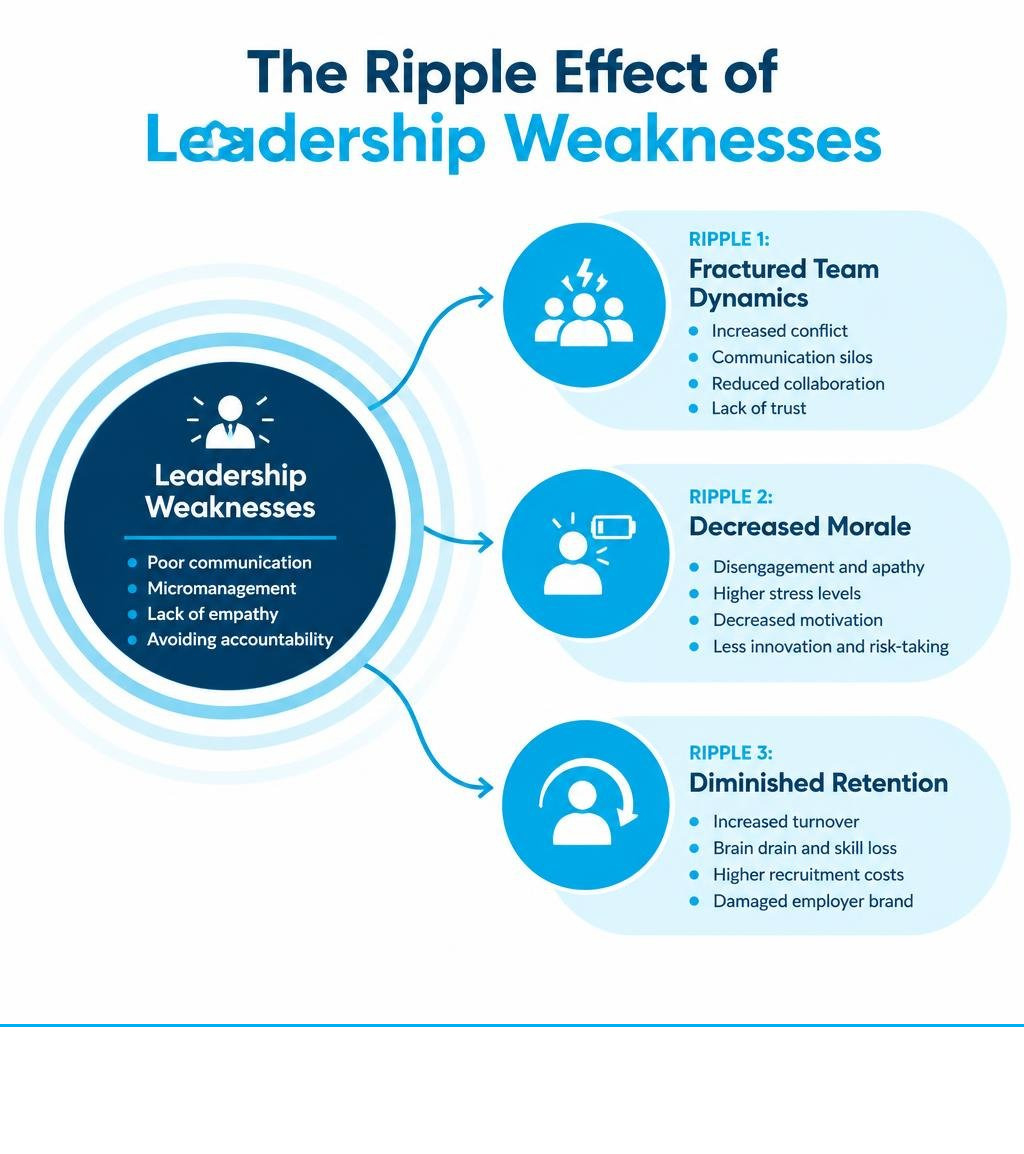
When are based NJ, and work with companies throughout the country, and we often find that leadership weaknesses aren’t just personal “quirks.” They are systemic issues that act like a slow-leak in a tire. You might not notice it immediately, but eventually, the entire vehicle grinds to a halt.
Unaddressed flaws create a “toxicity trickle-down.” If a leader lacks integrity or avoids conflict, the team begins to mirror those behaviors. Trust, the very foundation of any high-performing team, begins to erode. When trust vanishes, so does innovation. Employees stop taking risks because they don’t feel “safe” under a leader who might shift blame or react impulsively.
The impact on the bottom line is measurable. High turnover is perhaps the most expensive consequence. In today’s competitive labor market, talented employees hold the power. They won’t stay in an environment where they feel undervalued or stifled. This leads to a decline in productivity and a compromise in work quality that can take years to repair.

To understand where your team stands, consider this comparison of leadership weaknesses versus healthy leadership traits:
| Healthy Leadership Trait | Toxic/Weak Leadership Trait |
|---|---|
| Transparent Communication | Information Hoarding / Silos |
| Empowerment & Autonomy | Micromanagement & Control |
| Emotional Intelligence | Impulsive Outbursts / Blaming |
| Clear Vision & Goals | Vague Expectations / Stagnancy |
| Accountability (Owns Mistakes) | Shifting Blame / Lack of Integrity |
Fact 1: Communication Frequency vs. Competence
It is a common misconception that if you are talking, you are leading. Research suggests leaders may spend 70% to 90% of their time communicating with employees and other stakeholders. Yet poor communication remains a common concern in executive 360-degree reviews.
The gap exists because frequency does not equal competence. A leader might send 200 emails a day but fail to provide a single clear instruction. Effective communication is about clarity, empathy, and, most importantly, active listening. When leaders suffer from “transmission-only” syndrome, they create information silos. The team feels left in the dark, leading to 7 Workplace Leadership Challenges that usually start with simple misunderstandings but end in major project failures.
Common Communication Barriers:
- The “Um” Factor: Poor presentation skills (monotone delivery, fillers) that cause the audience to tune out.
- Vague Feedback: Saying “you need to improve” without explaining what or how.
- Lack of Transparency: Withholding information to maintain a sense of power.
- Poor Listening: Waiting for your turn to speak rather than seeking to understand the team’s challenges.
Fact 2: Decision Fatigue Triggers leadership weaknesses
Here is a staggering statistic: Leaders make roughly 35,000 decisions in a typical day. From the moment you decide what to wear to the final strategic sign-off at 6:00 PM, your brain is under constant cognitive load.
By mid-afternoon, “decision fatigue” sets in. This is when leadership weaknesses are most likely to flare up. A normally patient leader might become impulsive. A decisive leader might become paralyzed by indecision. This exhaustion often leads to Executive Coaching Leaders Power Failure, where the sheer weight of responsibility causes a temporary collapse in judgment.
Recognizing that your willpower is a finite resource is vital. Great leaders protect their “executive stamina” by automating small decisions and delegating others, ensuring they have the mental clarity for the “big” choices that define the organization’s future.
Fact 3: Micromanagement as a Symptom of Insecurity
Many leaders defend micromanagement as “attention to detail” or “ensuring quality.” In reality, it is almost always a symptom of personal insecurity or a lack of trust in the team. When a supervisor insists on reviewing every single email or “hovering” over a project, they aren’t helping; they are suffocating.
Micromanagement creates a surveillance culture that kills autonomy. If employees know their work will be picked apart regardless of the outcome, they stop taking initiative. They wait to be told what to do. This “learned helplessness” is a silent killer of creativity.

Signs You Might Be Micromanaging:
- You have no time for strategic thinking because you are stuck in the “weeds.”
- You require constant updates on tasks you have already delegated.
- You feel that “if you want it done right, you have to do it yourself.”
- Your team rarely brings new ideas to the table (because they’ve been trained not to).
To break this cycle, leaders must learn to focus on outcomes rather than processes. Trusting your team to find their own path to a goal is the only way to scale an organization.
Transforming Executive Flaws into Organizational Strengths
The good news is that leadership weaknesses are not a life sentence. In fact, many of the most successful turnarounds we facilitate at Strategy People Culture involve leaders who had “fatal flaws” but were willing to look in the mirror.
Research into Ten fatal flaws that derail leaders shows that it’s rarely a lack of technical skill that sinks an executive. It’s almost always a “soft skill” deficit — like an inability to learn from mistakes or a lack of interpersonal skills. Addressing these requires a structured approach, often starting with 360-degree reviews to bridge the gap between how a leader perceives themselves and how the team actually sees them. This process is essential to Build Confidence In Leadership based on reality rather than ego.
Fact 4: Emotional Intelligence in Addressing leadership weaknesses
If communication is the cornerstone of leadership, Emotional Intelligence (EQ) is the mortar that holds it together. EQ involves four critical pillars: self-awareness, self-regulation, empathy, and relationship management.
Leaders with low EQ often react impulsively to pressure. They might blame the team for a missed deadline or become oblivious to the mounting stress levels of their employees. By contrast, a leader with high EQ can “read the room.” They know when to push and when to provide support.
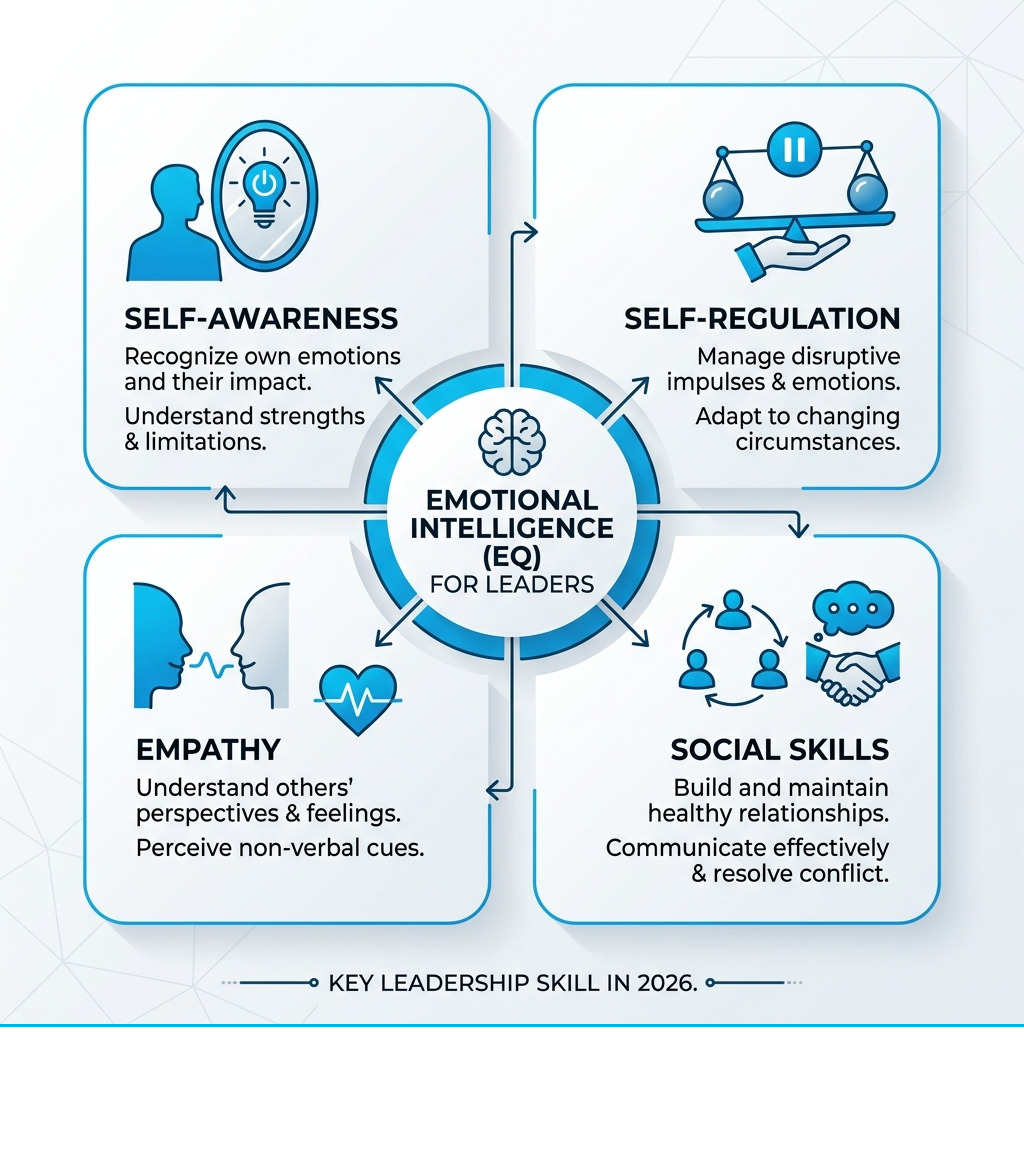
Improving EQ is one of the most effective ways to transform leadership weaknesses. It allows a leader to:
- Pause before reacting: Preventing emotional outbursts that damage trust.
- Practice Empathy: Understanding why a team member is struggling rather than just criticizing the output.
- Resolve Conflict: Addressing interpersonal issues before they escalate into significant organizational friction.
Fact 5: The High Cost of Leadership Derailment
“Derailment” occurs when a leader who showed great promise reaches a plateau or begins to fail. This isn’t just a personal tragedy; it’s an organizational crisis. The cost of replacing a senior or executive-level employee can reach up to 213% of annual salary, depending on the role’s specialization, hiring requirements, and ramp-up time, not to mention the loss of institutional knowledge and the dip in team morale.
Vulnerability is often the “secret sauce” in preventing derailment. Leaders who admit they don’t have all the answers and who are open about their own areas for growth actually build more trust with their teams. It humanizes the role and creates a culture where everyone feels they can be honest about their own limitations.
Proactive Steps for Improvement:
- Seek Multi-Source Feedback: Don’t just ask your “favorites” how you’re doing. Use 360-degree assessments.
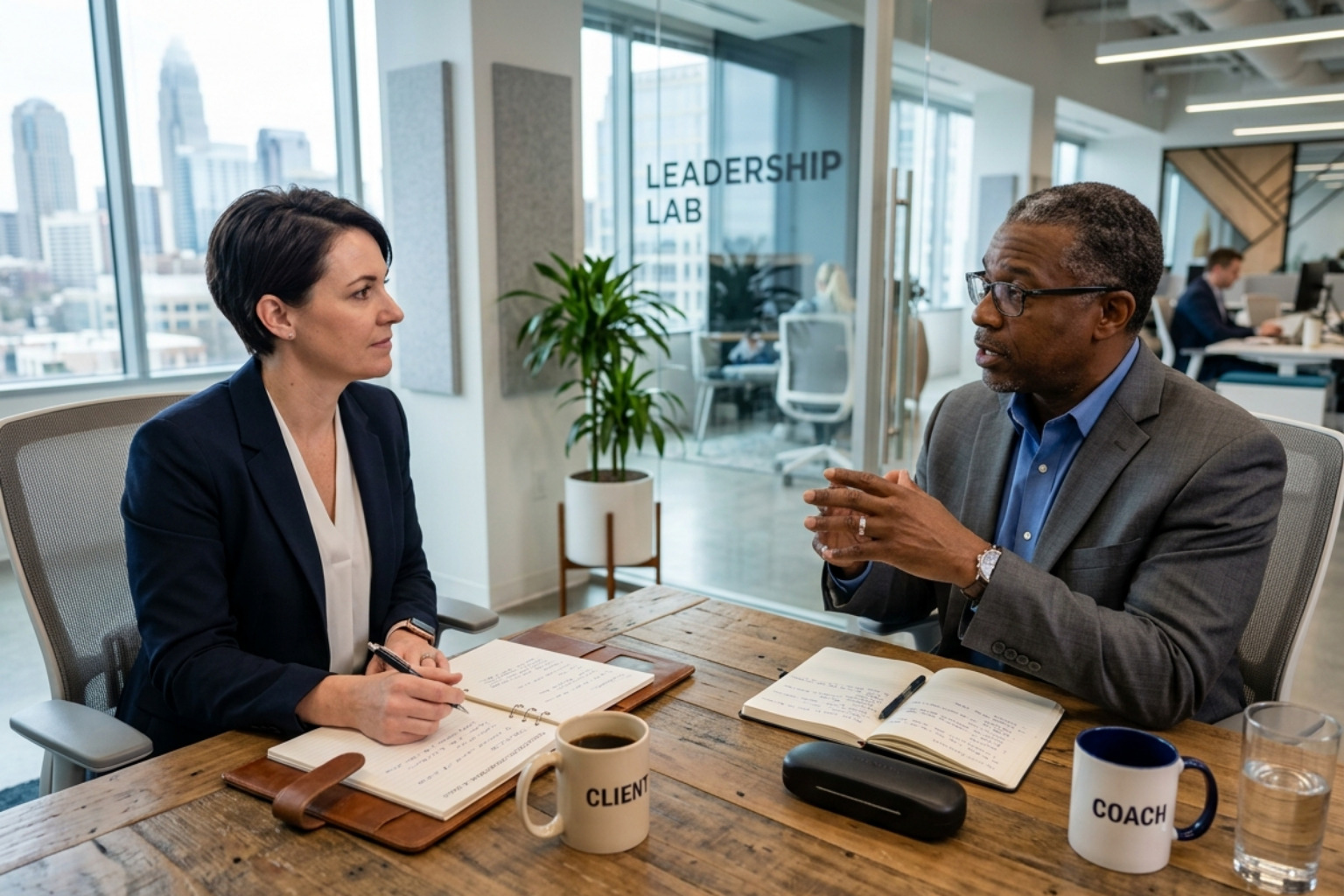
- Hire an Executive Coach: An objective third party can spot blind spots you’ve had for decades.
- Set Measurable Growth Goals: Treat your leadership development like a business KPI.
- Practice Delegation: Start small, but commit to letting go of tasks that others can do.
- Commit to Continuous Learning: Attend workshops on conflict resolution and emotional intelligence.
Conclusion: The Path to Resilient Leadership
Addressing leadership weaknesses is not about achieving perfection. It’s about progress. As we move through 2026, the organizations that thrive will be those led by individuals who are self-aware, adaptable, and willing to evolve.
At Strategy People Culture, LLC, we specialize in helping leaders navigate these challenges. Whether you are dealing with a specific “derailment” issue or simply want to elevate your team’s performance, our integrated approach — combining Andrew Botwin’s 30+ years of experience in business leadership, HR, and coaching — provides the clarity needed for lasting success. We don’t just identify the problems; we provide the tools to build a culture of awareness and excellence.
Ready to take the next step in your leadership journey? Transform your organization with executive leadership coaching and turn your hidden weaknesses into your greatest organizational strengths.