
Why Every Employer Needs a Clear Internal Investigation Process
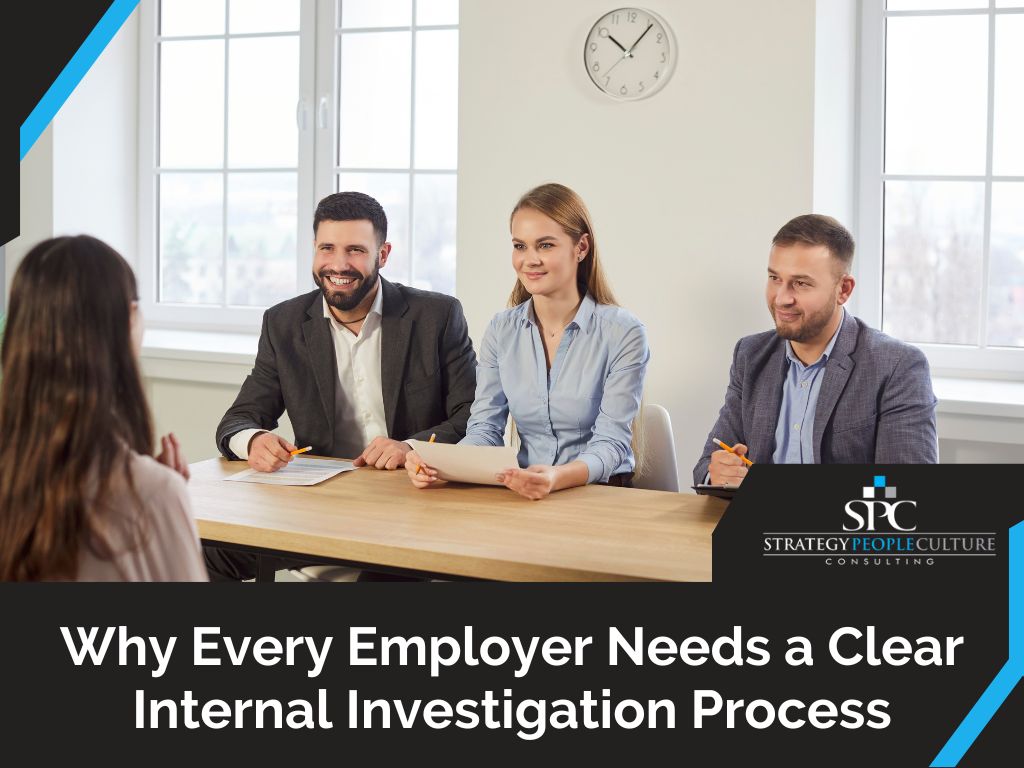
A strong internal investigation process protects both employees and organizations. Learn how to build one that ensures fairness, compliance, and trust.
The Importance of Getting Investigations Right
Workplace issues—whether involving discrimination, harassment, or retaliation—must be addressed promptly and fairly. Without a clear process, small misunderstandings can escalate into legal challenges, costly litigation, and lasting damage to morale.
An effective internal investigation process ensures every concern is heard, documented, and handled consistently. It’s not just about compliance—it’s about protecting integrity and maintaining workplace trust.
A Structured Process Protects Everyone

A defined complaint procedure gives employees security and clarity. Transparency means less fear of retaliation and stronger trust between staff and leadership.
Everyone—including the employer—benefits from clear procedures. A structured process ensures investigations are consistent, thorough, and defensible, protecting the organization from unnecessary liability.
Communicating the Process Clearly Matters

One of the most overlooked aspects of internal investigations is communication. When employees understand what happens after a complaint is made—who will be involved, how confidentiality is handled, and when updates will come—it reduces anxiety and builds confidence in fairness.
Transparency doesn’t mean sharing every detail; it means being consistent, clear, and compassionate. Even if not everyone agrees with the outcome, people are more likely to accept results when the process feels fair and respectful.
By keeping communication open and expectations realistic, organizations turn investigations from reactive events into opportunities to reinforce accountability and trust.
Training Is the Key to Consistency

Even the best-written policies are ineffective without training. Managers, supervisors, and HR professionals need to understand their roles in handling sensitive investigations so they can act fairly and impartially. At Strategy People Culture (SPC), we help organizations build and maintain these capabilities through customized investigation and compliance programs designed for real-world application.
